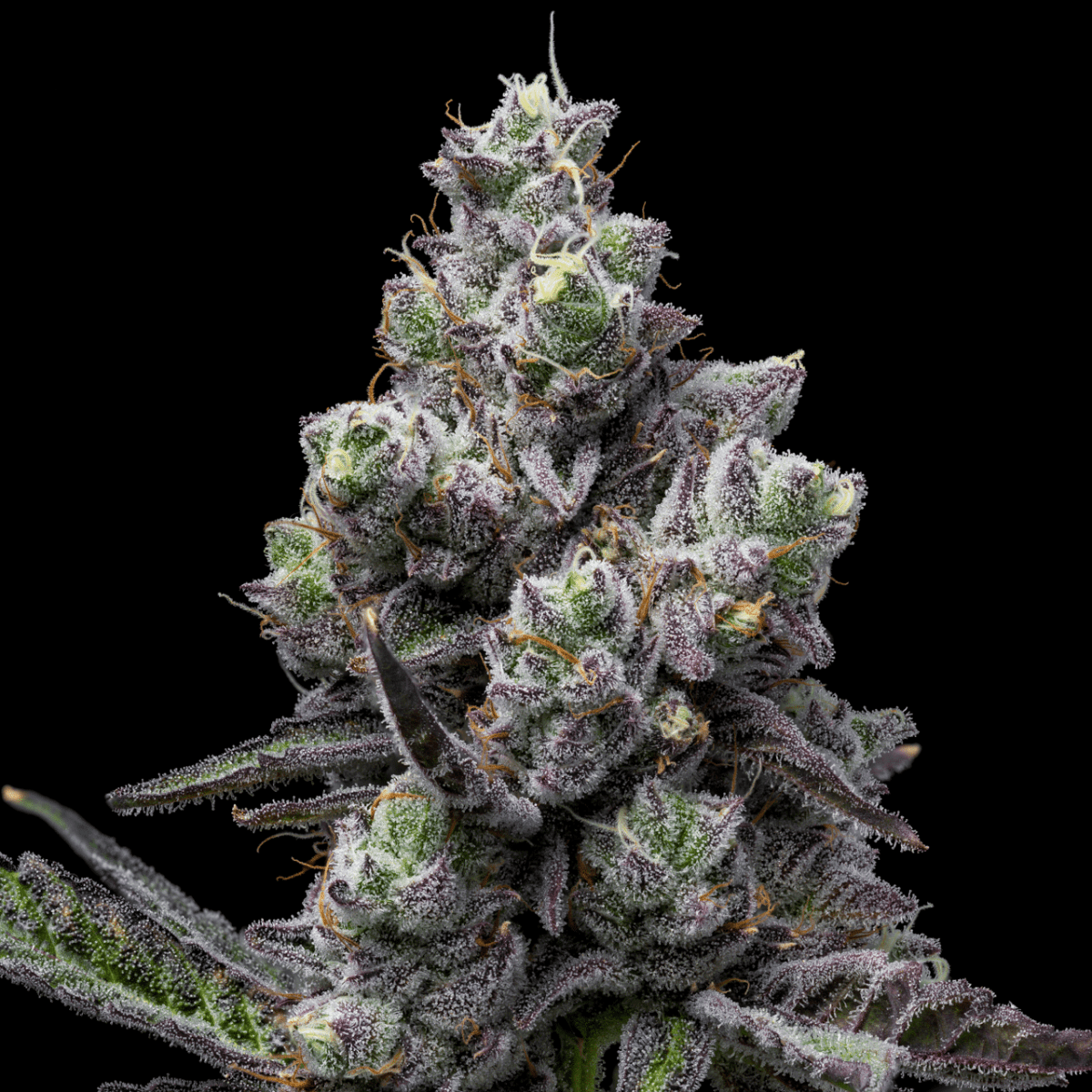
Should I Grow Mule Fuel Seeds Indoors or Outdoors?
This is a critical choice that determines the type of tools, atmosphere, and procedures required to cultivate weed properly. Indoor cultivation provides greater control over the environment, light, and pests but also demands more investment, maintenance, and energy. Outdoor cultivation is more natural, cost-effective, and ecologically beneficial, but it exposes your Mule Fuel plants to the elements, predators, and potential theft. You may even use a hybrid strategy, such as a greenhouse or light deprivation system, to get both benefits. Conversely, Mule Fuel seeds are best grown in a controlled manner in an indoor garden due to their sensitivity to moisture and temperature fluctuations.
Growing Mule Fuel Indoors
To cultivate Mule Fuel seeds indoors, keep a steady temperature and humidity level — remember, they thrive in hot and dry environments. Maintain a humidity level of about 50% during vegetative growth and 40% during flowering. Growers can utilize training techniques like topping, fimming, or LST to control the plant’s height and stretch.
Benefits
The advantages of cultivating your Mule Fuel seeds include:
- Control: You have complete control over the growth environment, including temperature, humidity, and lighting, resulting in constant and exact conditions.
- Year-round cultivation: Indoor gardening allows for year-round cultivation, regardless of exterior weather conditions.
- Pest and disease control: It is easier to prevent and manage cannabis pests and diseases indoors.
- Security: Indoor cultivation is more discrete and less susceptible to theft or discovery.
- Higher quality: Controlled settings can produce higher-quality, more potent cannabis.
Any drawbacks of growing Mule Fuel seeds indoors?
Here are some potential drawbacks that growers may face indoors:
- High initial setup costs: Putting up an indoor cannabis garden might be expensive. You'll need lights, fans, and grow tents to create the ideal atmosphere for your weed plants. Furthermore, you may need to pay for additional electricity to power your system. These expenses may mount up, especially if you're starting.
- Limited space and yield potential: Indoor cultivation requires coping with restricted space. Outdoor Mule Fuel cannabis plants have the freedom to spread out and thrive, whereas indoor plants are constrained to a small space.
- Increased energy use: Indoor cannabis cultivation requires more energy. This is because you need to power lights, fans, and, in some instances, air conditioners. All of these are needed to produce the ideal atmosphere for your plants. However, they can contribute to hefty energy expenses.
Growing Mule Fuel Seeds Outdoors
Mule Fuel is a versatile cannabis strain that can grow well outdoors. It prefers full sun, so position your cannabis plants in an area that gets at least 6 hours of direct sunshine daily. Furthermore, consider topping your Mule Fuel plants early to control their stretch and promote the development of multiple colas.
Pros
While many cannabis farmers prefer indoor growing because it allows them to regulate their growing settings better, outside growth offers various advantages, including:
- Natural light: Outdoor plants benefit from natural sunlight, which may promote vigorous development and improved yields.
- Cost savings: Growing outside often involves fewer resources and cheaper energy costs than indoor production.
- Larger yields: You may typically get higher yields outside with the correct temperature and soil.
- Reduced equipment: There is no need for expensive indoor growing tools like grow lights and ventilation systems.
- Sustainability: Outdoor gardening is more ecologically friendly and sustainable since it utilizes natural resources.
Cons
The disadvantages of growing Mule Fuel seeds outdoors are:
- Your cannabis plants are at the hands of Mother Nature.
- Susceptibility to harsh weather, pests, and diseases.
-
Legal and security risks, as your outdoor plants are more visible to the public.
- Growing Mule Fuel seeds outdoors is impractical if you stay in the city.
- Limited to areas with ideal climates and seasonal dependence.
The Best Grow Medium for Mule Fuel Seeds
When growing Mule Fuel seeds, choosing a suitable growth medium is crucial for a successful harvest. Some of the options available for indoor and outdoor growers include:
- Growing Mule Fuel seeds in soil is the simplest way to get your weed plants started. Soil supplemented with high-quality compost produces the best-tasting buds, even if yields are less significant than in coco or hydro. The key advantage of soil is that it is forgiving and beginner-friendly, allowing you to grow high-quality cannabis. Soil is also readily available and affordable.
- Growing in a coco-perlite mix combines the benefits of hydroponics with the convenience of soil growing. Since a coco-perlite mix contains no nutrients, you are responsible for providing hydroponic fertilizers from the start. The main advantage here is that you have complete control over your Mule Fuel plants, and they will develop quickly.
- Consider using a hydroponic system if you want the fastest growth, the most significant yields, and complete control over most of your growth. Most hydroponic arrangements allow you to use any inert growth media (clay pebbles, perlite, rock wool); thus, there is lots of room for exploration.
The Best Climate for Mule Fuel Seeds
Mule Fuel seeds grow best under full sun and in dry regions with long summers, though they can perform well in subpar conditions, thanks to their resilience.
Problems to Look Out For When Growing Mule Fuel Seeds
When cultivating Mule Fuel seeds, awareness of potential challenges is essential to ensure a successful harvest. Here are some common issues to watch out for:
- Overcrowding: Mule Fuel seeds are an Indica-dominant hybrid that can grow large and bushy. This can cause overcrowding and stress for the plants, affecting their health and yield.
-
Nutrient deficiency: Mule Fuel seeds require a balanced and consistent feeding schedule to thrive. A lack of nutrients can cause stunted development, poor flowering, and reduced potency.
How Difficult is it to Grow Mule Fuel Seeds?
Mule Fuel seeds are relatively easy to cultivate due to their general vitality, resilience to hot and dry weather, and resistance to common pests and diseases.
Are Mule Fuel Seeds Suitable for Beginners?
Yes. Its resilience makes it an excellent choice for beginner growers seeking cannabis strains on the more low-maintenance side.
How Much Do Mule Fuel Seeds Yield?
Indoors, under controlled conditions, Mule Fuel seeds can produce about 1 to 2 ounces per square foot. Conversely, each Mule Fuel plant can yield about 10 to 15 ounces when grown outdoors.
How to Get Better Yields from Your Mule Fuel Seeds
If you want to produce adequate yield with Mule Fuel seeds, you must utilize low-stress training methods in addition to topping, trimming, and selective pruning. Training encourages lateral development rather than vertical expansion, resulting in a wide horizontal canopy. Growers use LST in various methods, the most basic of which is gently bending your main branches and anchoring them to ground pegs or the side of a pot. This promotes uniform canopy maturation and prevents unwanted upward growth. LST and other approaches, such as SCROG, are crucial because they enhance the quantity of light reaching blossoming areas.