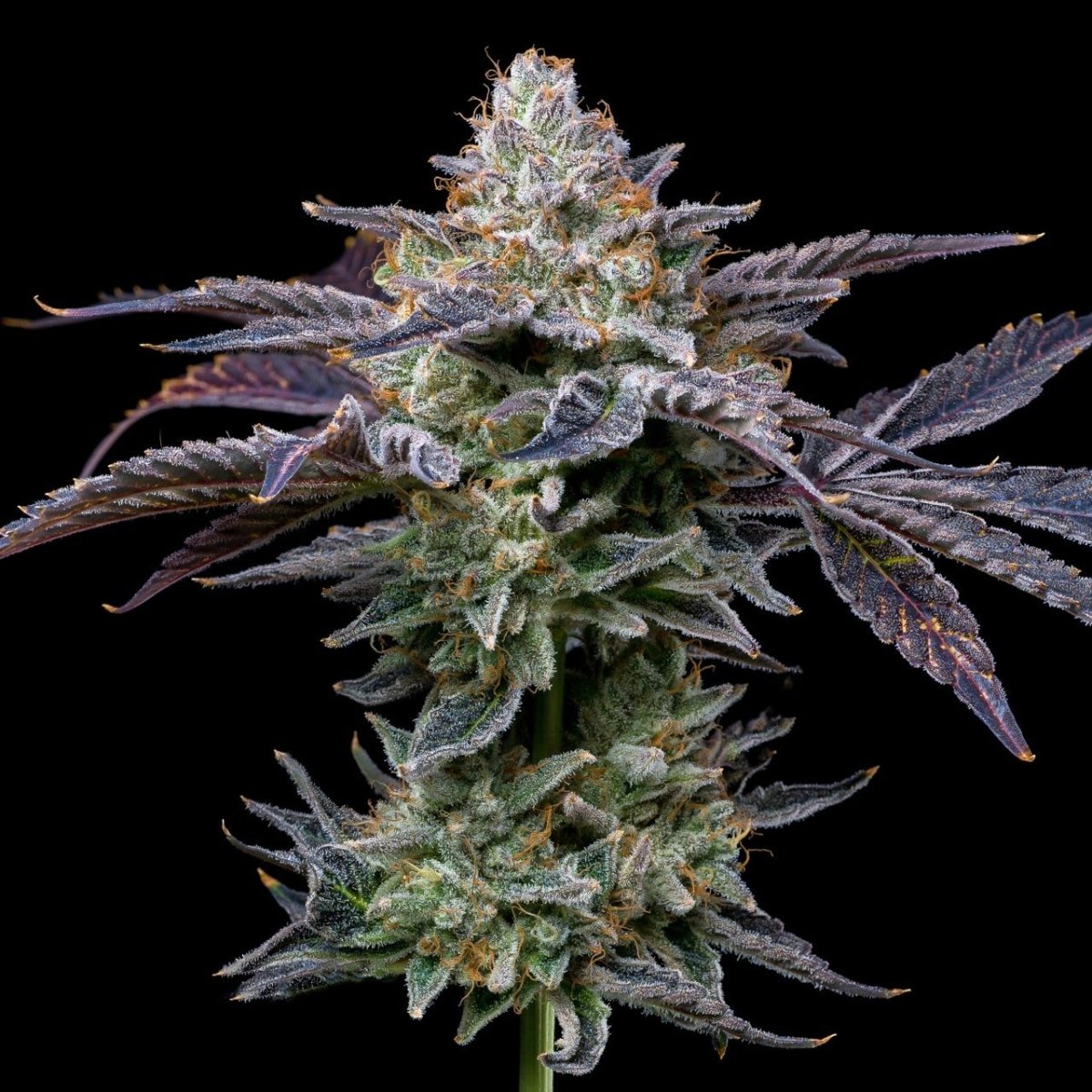
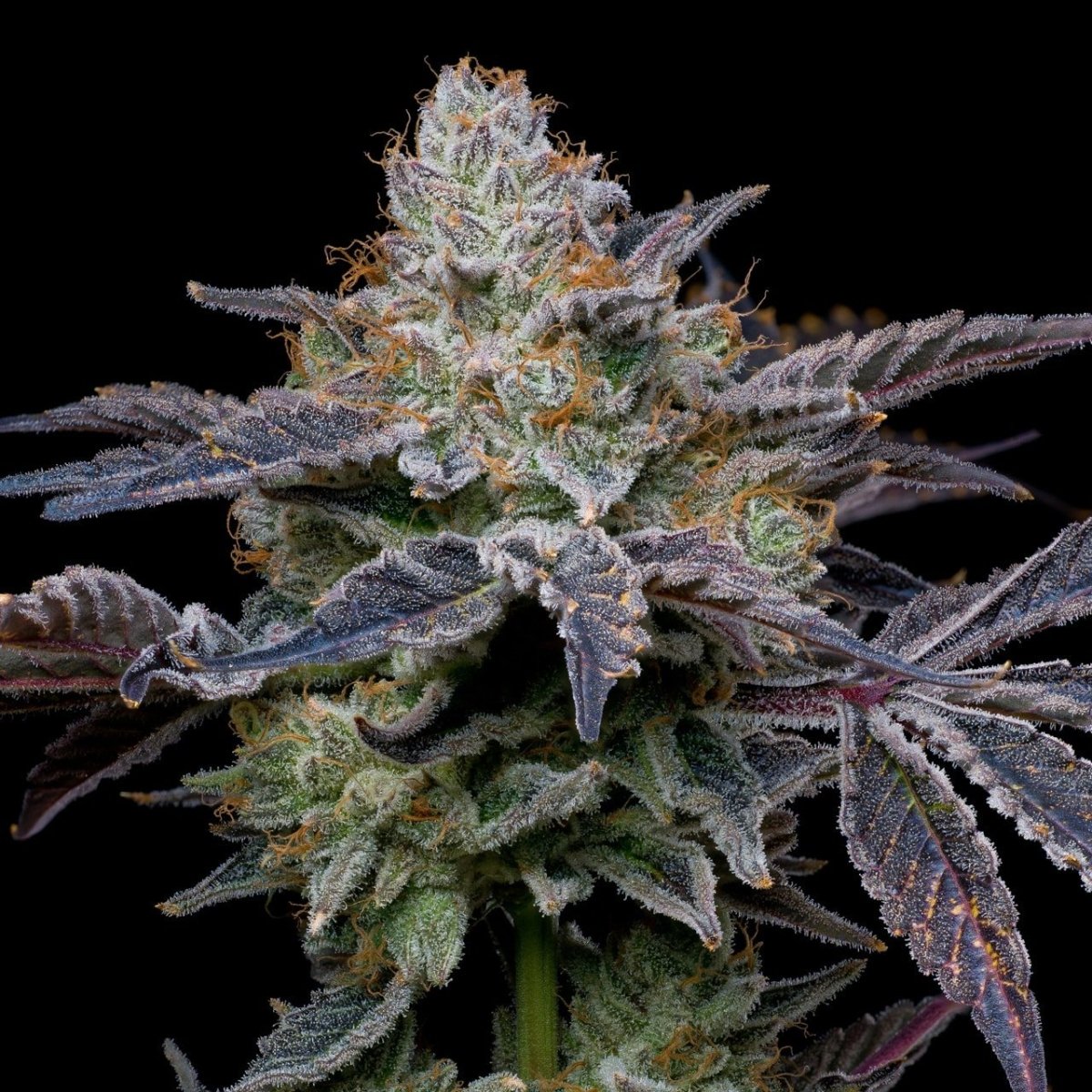
Enthusiasts can enjoy the thrill of growing Forbidden Fruit strain seeds. This hybrid has potent effects, making it a favorite among many growers. To start, ensure you have high-quality seeds from a reputable source. Begin germination by placing the seeds in a damp paper towel until they sprout, then transfer them to a small pot with nutrient-rich soil. Provide ample light, preferably a full spectrum LED or HPS grow light, and maintain a consistent temperature and humidity throughout the growing process. Monitor for signs of nutrient deficiencies or pests as the plants develop, and adjust your growing conditions accordingly. Forbidden Fruit typically flowers in about 8-10 weeks and produces dense, resinous buds. Harvest when the trichomes are milky white for a balanced high.
Should I Grow Forbidden Fruit Seeds Indoors or Outdoors?
Growing forbidden fruit seeds can be tricky. Indoors, you can control the environment better but may need specialized equipment. Outdoors may thrive better in the right climate but face more challenges. Consider your climate, resources, and local laws before deciding whether to grow them indoors or outdoors.
Growing Forbidden Fruit Seeds Indoors
The decision to grow Forbidden Fruit seeds indoors should consider your gardening goals, available space, and willingness to invest in the necessary equipment and energy costs. Growing Forbidden Fruit seeds indoors can have both benefits and drawbacks:
Benefits:
Growing Forbidden Fruit seeds indoors allows you to enjoy the fruit's unique flavor and aroma throughout the year rather than being limited to its natural growing season.
Cultivating Forbidden Fruit indoors allows you to create an optimal environment for the plants, with precise control over factors like temperature, humidity, and lighting. This environment can lead to healthier, more productive plants.
Space-Saving
- Indoors, you can grow Forbidden Fruit in a compact space, such as a greenhouse or a grow tent, making it suitable for those with limited outdoor gardening areas.
Drawbacks:
- Initial Setup Costs
- Setting up an indoor growing system for Forbidden Fruit can be costly, as it may require specialized equipment like grow lights, climate control systems, and grow media.
- Energy Consumption
- Maintaining the ideal growing conditions for Forbidden Fruit indoors can result in higher energy consumption, which can increase your overall operating costs.
- Pest and Disease Challenges
- Indoor growing environments can be more susceptible to pests and diseases, as the plants are not open to natural predators and environmental conditions that would help control them in an outdoor setting.
Growing Forbidden Fruit Seeds Outdoors
Growing forbidden fruit seeds outdoors can be an enticing venture, but it comes with its own set of pros and cons:
Pros:
- Cost-effective
- Growing Forbidden Fruit seeds outdoors can be more cost-effective than growing them indoors, eliminating the need for specialized equipment and controlled environments.
- Natural environment
- Outdoor growing allows the plants to thrive in a natural environment, leading to better overall plant health and potentially higher yields.
- Scalability
- Outdoor growing allows for cultivating more plants, making it more suitable for commercial or large-scale operations.
Cons:
- Climate dependency
- Outdoor growing is subject to the whims of the local climate, which can be unpredictable and may not always be favorable for Forbidden Fruit cultivation.
- Pest and disease risks
- Plants grown outdoors are more susceptible to pests and diseases, which can be challenging to manage without the controlled conditions of an indoor setup.
- Legal considerations
- Depending on the jurisdiction, growing Forbidden Fruit outdoors may be subject to stricter legal regulations or even be prohibited altogether.
- Reduced control
- Outdoor growing offers less control over the growing environment, leading to plant quality and yield inconsistencies.
The Best Grow Medium for Forbidden Fruit Seeds
The Forbidden Fruit strain thrives best in a well-aerated soil-based growing medium that retains moisture effectively. A high-quality potting mix amended with perlite, vermiculite, or coco coir is an excellent choice. These additions can improve drainage and oxygen circulation around the roots. Alternatively, a soilless coco coir-based medium can also work well for Forbidden Fruit. Coco provides excellent water and air retention properties. Be sure to supplement coco, which grows with appropriate nutrients, as coco is relatively inert. Whichever medium you choose, maintain the pH in the ideal 6.0-6.8 range. This strain prefers slightly acidic conditions. Monitor moisture levels closely and avoid over-watering, as Forbidden Fruit can be sensitive to wet roots.
The Best Climate for Forbidden Fruit Seeds
Forbidden Fruit seeds prefer daytime temperatures between 70-85°F (21-29°C) and nighttime temperatures that dip down to 55-65°F (13-18°C). The plant does best with moderate humidity levels, around 50-70%. Forbidden Fruit requires a lot of direct sunlight, at least 6-8 hours per day, to develop its signature dense, resinous buds. Areas with long, warm growing seasons of 4-5 months are ideal. The plant can handle light rain but prefers a semi-arid climate without excessive precipitation. Well-draining, nutrient-rich soil is crucial for Forbidden Fruit. Soil pH should be slightly acidic, around 6.0-6.5. Growers in cooler or wetter climates may need to grow this strain indoors or in a greenhouse to control the environment fully. A Mediterranean or subtropical climate provides optimal conditions for cultivating high-quality Forbidden Fruit.
Problems to Look Out For when Growing Forbidden Fruit Seeds
When growing the Forbidden Fruit strain from seeds, there are a few potential problems to be aware of:
The Forbidden Fruit strain is sensitive to nutrient imbalances. Carefully monitor the plant's nutrient levels and ensure a balanced nutrient regimen. Deficiencies in key nutrients like nitrogen, phosphorus, and potassium can lead to stunted growth, discoloration, and poor plant health.
The Forbidden Fruit strain can be susceptible to certain pests and insects, such as spider mites, aphids, and thrips. These pests can cause significant damage to the plant, affecting its growth and overall yield. Regular inspection and proactive pest management strategies are essential to prevent and control these infestations.
The Forbidden Fruit strain may also be prone to certain diseases, including powdery mildew, bud rot, and root rot. These diseases can quickly spread and compromise the plant's health if not addressed promptly. Maintain proper environmental conditions, such as adequate air circulation, humidity control, and sanitation, to help mitigate the risk of these diseases.
How Difficult is it to Grow Forbidden Fruit Seeds?
Cultivating the Forbidden Fruit strain seeds can be challenging, particularly for novice growers. This hybrid strain demands a controlled environment with consistent temperature, humidity, and lighting conditions. It flourishes best in indoor setups where you can regulate these factors. It requires attentive care throughout its growth cycle, including proper watering, nutrient supplementation, and pruning to optimize yield and quality. Forbidden Fruit has dense buds and high resin production, making it susceptible to mold and mildew if humidity levels aren't carefully monitored. The plant has a relatively long flowering period, typically around 9 to 11 weeks, requiring cultivators' patience. While growing Forbidden Fruit can be challenging, experienced growers who can provide the necessary attention and environmental control can reap rewarding harvests of this potent strain.
Are Forbidden Fruit Seeds Suitable for Beginners?
Forbidden Fruit is a popular strain, but there may be better choices for complete beginners. The plant requires careful attention to temperature, humidity, and nutrient levels to thrive. Beginners may need help properly managing these conditions, resulting in poor yields or plant failure. It's generally recommended that novice growers start with more forgiving strains before attempting to grow Forbidden Fruit. However, even beginners can cultivate this strain with proper research, equipment, and patience.
How Much Do Forbidden Fruit Seeds Yield?
The Forbidden Fruit strain has exceptional yields. On average, a single Forbidden Fruit plant can produce 500-700 grams of dry, usable flower when grown in optimal conditions. However, the yield can vary depending on several factors, including the growth environment, the skill of the cultivator, and the individual phenotype. Experienced growers have reported yields as high as 800 grams per plant in some cases. The potential yield of Forbidden Fruit seeds depends on the cultivator's specific growing techniques and conditions. But this strain is generally regarded as a high-yielding variety that can provide a substantial harvest for home growers.
How to Get Better Yields from your Forbidden Fruit Seeds
To optimize yields from Forbidden Fruit strain seeds, start with quality genetics. Ensure you source seeds from reputable breeders to guarantee desirable traits. Begin with proper germination techniques, such as soaking seeds in water until they crack, then transferring them to a growing medium like soil or hydroponics. Provide ample light during the vegetative stage, ideally with full-spectrum LEDs, and maintain a consistent temperature and humidity level to promote healthy growth. Adjust lighting schedules to mimic natural sunlight cycles during flowering, typically switching to a 12/12 light/dark regimen to induce flowering. Use low-stress training (LST) or topping to encourage lateral growth and increase bud sites. Employ defoliation techniques to enhance light penetration and airflow, leading to better bud development. Regularly monitor nutrient and pH levels in the soil or hydroponic solution to ensure optimal nutrient uptake. You can maximize yields from your Forbidden Fruit strain seeds with meticulous care and attention to detail.